Jangly Guitar
Exploring the Sonic Tapestry of Jangle Pop: A Comprehensive Guide to Mastering Jangly Guitar Techniques
Decoding the Jangly Guitar Sound:
At the core of jangle pop lies a unique tonal palette that sets it apart from other rock sub-genres. This sound is crafted through a combination of specific playing techniques, equipment choices, and a deep understanding of musical dynamics. Here are the essential elements contributing to the unmistakable jangly guitar sound:
- Chord Voicings and Arpeggios:
- Jangle pop often revolves around open chords and arpeggios. Embrace voicings that emphasize the higher strings, creating a resonant, bell-like quality that defines the genre.
- Single-Coil Pickups:
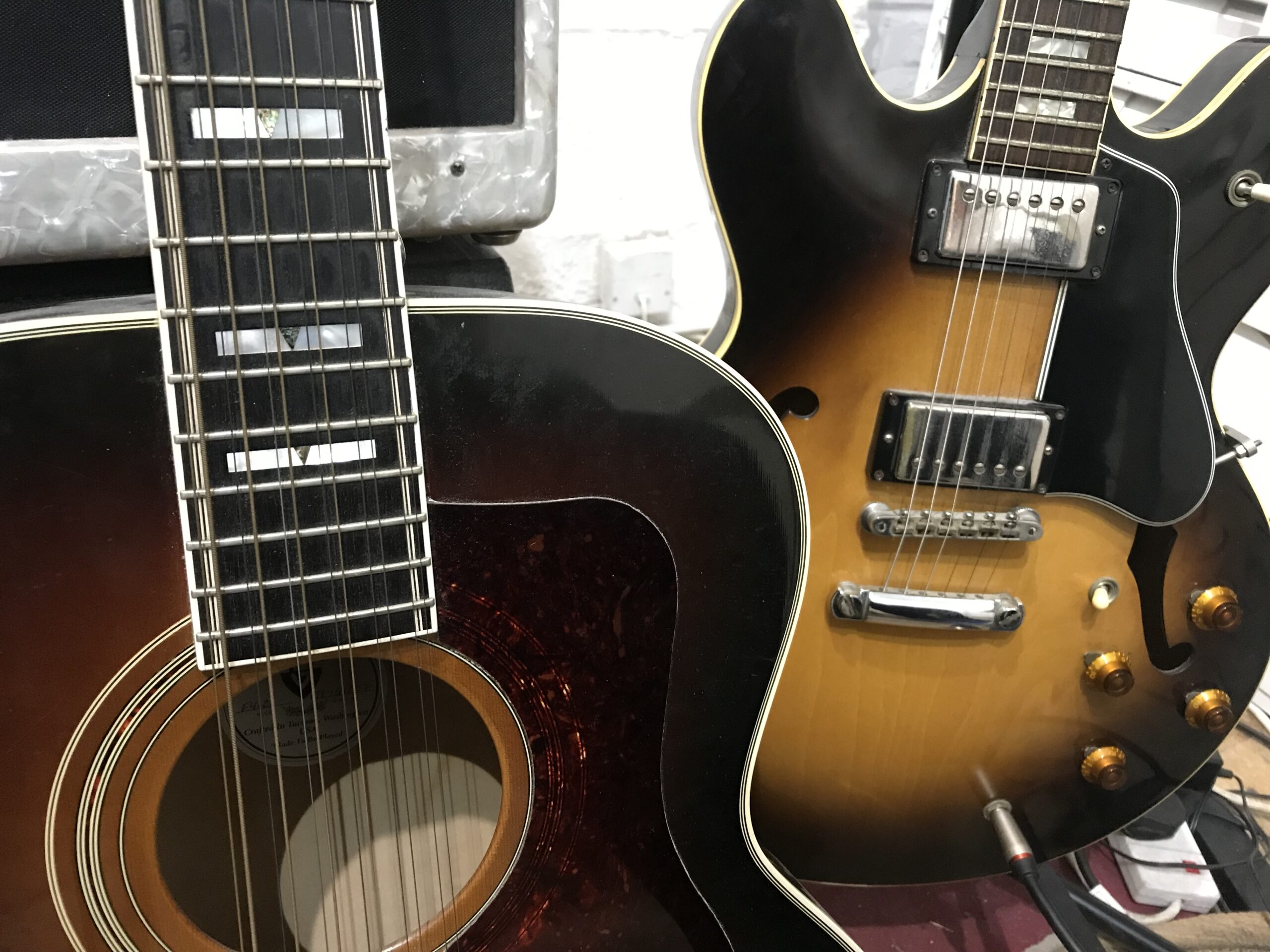
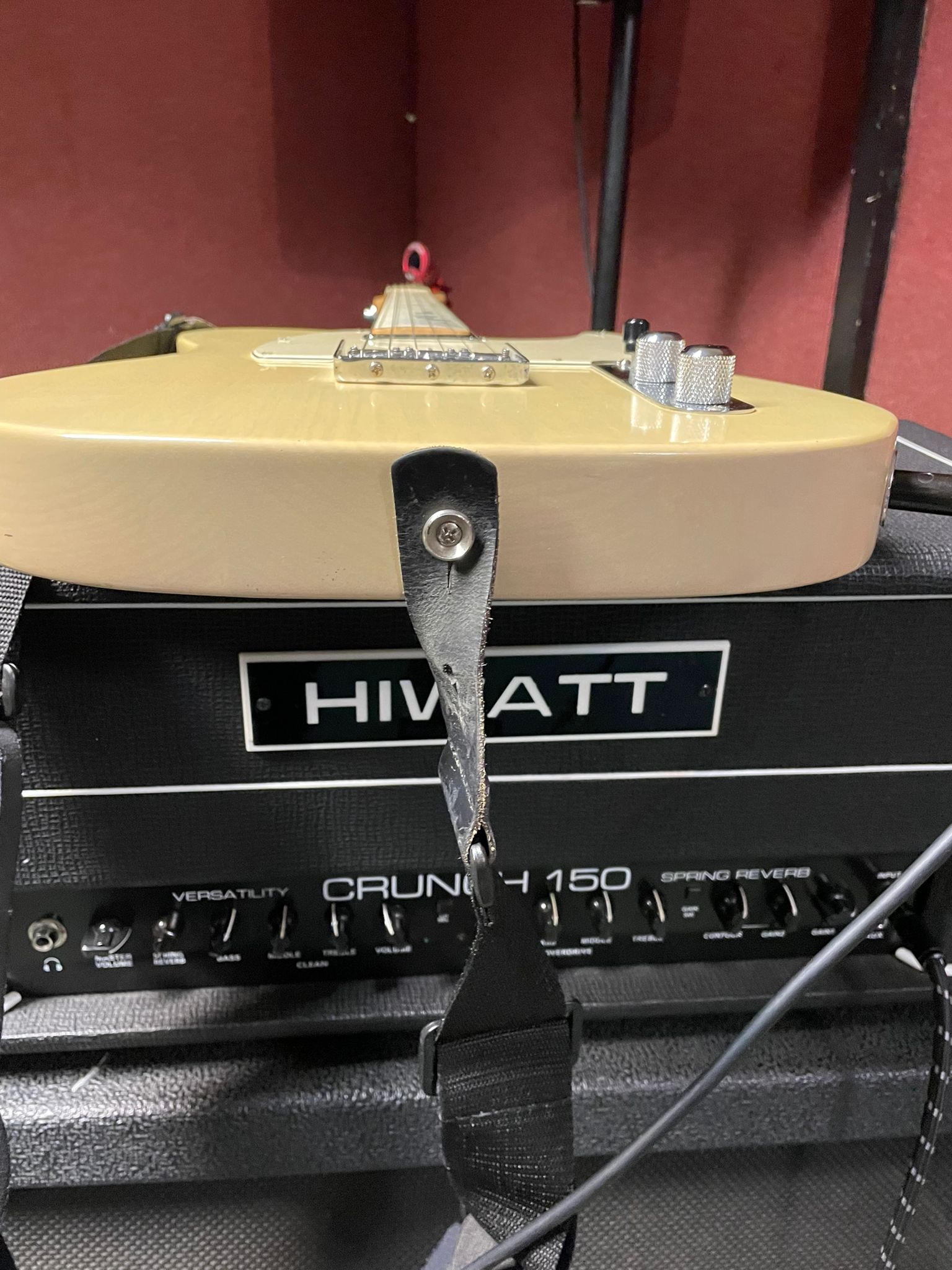
- The jangly sound is intimately tied to guitars equipped with single-coil pickups, commonly found in Fender and Rickenbacker models. These pickups produce a clear, bright tone with pronounced highs, essential for achieving the distinctive chime.
- Clean Amplifier Settings:
- Maintain clean and moderate settings on your amplifier. Avoid excessive distortion to allow the inherent brightness of the guitar to shine through, contributing to the characteristic jangle.
- String Gauge:
- Opt for lighter gauge strings to facilitate easy bending and enhance the overall brightness of the tone. Thinner strings respond well to the picking dynamics crucial for the jangle pop style.
- Fingerstyle Picking:
- Experiment with fingerstyle picking techniques to highlight individual notes within chords. This imparts a nuanced quality to your playing, enriching the jangly texture.
Essential Techniques for Jangly Guitar Mastery:
- Arpeggiated Chords:
- Develop proficiency in arpeggiating chords, with a focus on the higher strings. This technique allows each note to resonate distinctly, contributing to the characteristic jangly texture.
- Alternate Picking:
- Hone your alternate picking technique to achieve rhythmic precision, a hallmark of jangle pop. This is particularly crucial for faster passages and intricate melodic lines.
- Capo Exploration:
- Experiment with different capo positions to discover fresh voicings and unlock new sonic possibilities. Shifting the capo up the neck can accentuate the brightness and shimmer of the jangly guitar.
- Dynamic Playing:
- Master dynamic playing to add expressiveness to your performance. Jangle pop often incorporates subtle shifts in dynamics to create a lively and engaging musical experience.
- Hybrid Picking Techniques:
- Incorporate hybrid picking to blend the precision of flatpicking with the expressiveness of fingerstyle playing. This fusion adds complexity and depth to your jangly guitar lines.
- Open Tunings Exploration:
- Experiment with open tunings to discover unique chord voicings and resonances. Open tunings provide a broader palette for crafting jangly guitar parts with a distinct sonic character.
- Rhythmic Variations:
- Add interest to your playing by incorporating rhythmic variations. Experiment with syncopated rhythms and offbeat strumming patterns to capture the energetic feel of jangle pop.
- Layering and Doubling:
- In a recording setting, consider layering guitar tracks and doubling parts. This technique enhances the overall jangly texture, creating a fuller and richer sonic experience.
Jangly Guitar
Jangle Pop Repertoire for Practice:
- R.E.M. – “The One I Love”:
- Analyze the arpeggiated chords and dynamic changes in this classic R.E.M. track.
- A cornerstone of alternative rock, R.E.M. crafted a unique sound that combined jangly guitars, Michael Stipe’s enigmatic vocals, and thought-provoking lyrics. Their impact on the genre is immeasurable.
- The Byrds – “Mr. Tambourine Man”:
- Study the iconic 12-string jangle in this seminal Byrds song, exploring the use of a capo for tonal variations.
- The Beatles – “A Hard Day’s Night”:
- Dive into the distinctive chord shapes and bright tones of this Beatles classic, focusing on the use of single-coil pickups.
- Big Star – “September Gurls”:
- Examine the interplay of jangly guitars and harmonies in this power pop gem, paying attention to dynamic shifts.
- A pioneering band in the power pop genre, Big Star’s influence extends far beyond their initial years. Their masterpiece, “Radio City,” is celebrated for its jangly guitars and timeless songwriting.
- Tom Petty and the Heartbreakers – “American Girl”:
- Explore the straightforward yet effective jangle in this Tom Petty hit, emphasizing clean amplifier settings.
The journey into mastering jangly guitar is a multifaceted exploration of technique, equipment, and musicality. By delving into the nuances of arpeggiated chords, alternate picking, and dynamic playing, you can unlock the vibrant, chiming tones that define the jangle pop genre. Whether you’re a seasoned guitarist or a beginner, embracing the distinctive elements of jangly guitar playing opens up a world of creative possibilities, allowing you to craft your own signature sound within the rich tapestry of rock music.