Mastering the Minor Pentatonic Scale
Mastering the Minor Pentatonic Scale and Essential Guitar Bends
If you want to improvise over blues or rock backing tracks, there’s one essential scale every guitarist must know — the Minor Pentatonic.
This five-note scale is the foundation of blues, rock, and soulful guitar solos. It’s been the go-to tool of legends from B.B. King to Jimmy Page.
Mastering the Minor Pentatonic Scale
Understanding the Minor Pentatonic Scale
The term pentatonic means five notes (penta = five, tonic = tone).
Unlike the standard seven-note minor scale, the Minor Pentatonic removes the 2nd and 6th degrees, creating a cleaner, punchier sound that never clashes.
Formula:
Root (R) – Minor Third (♭3) – Perfect Fourth (4) – Perfect Fifth (5) – Minor Seventh (♭7) – Root (R)
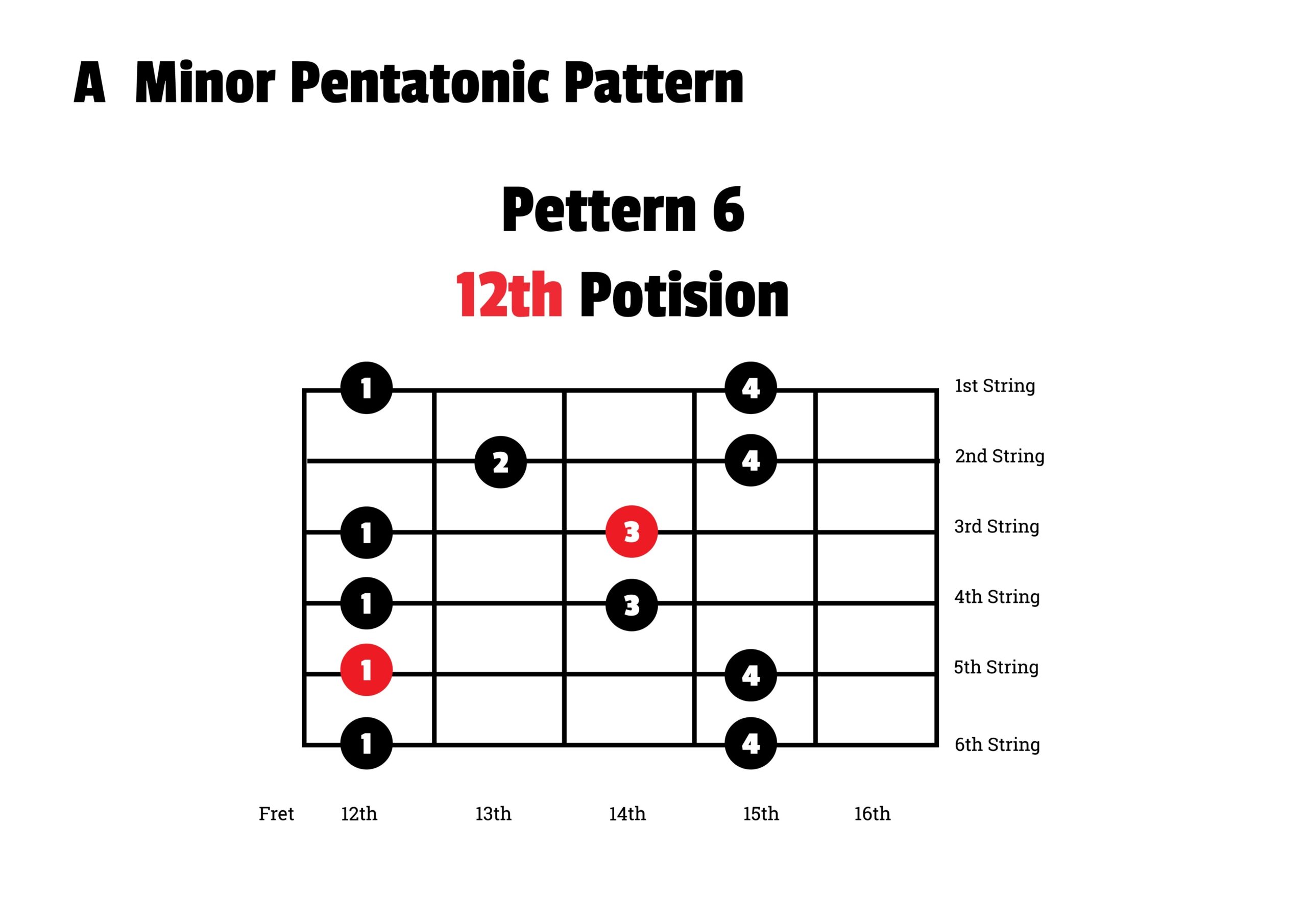
In A Minor Pentatonic, the notes are: A – C – D – E – G – A.
This pattern sits beautifully under your fingers and instantly gives your solos a classic blues-rock feel.
The Essential Shape – Box 1
The Box 1 pattern is the first shape every guitarist learns — and for good reason. It’s comfortable, versatile, and used in countless iconic riffs.
| String | Fret 5 | Fret 8 |
|---|---|---|
| E (low) | A (Root) | G (♭7) |
| A | D (4) | E (5) |
| D | G (♭7) | A (Root) |
| G | C (♭3) | D (4) |
| B | E (5) | G (♭7) |
| e (high) | A (Root) | C (♭3) |
Action Step:
Practice this shape slowly, up and down the neck. Visualise the pattern until it becomes automatic — this is your soloing home base.
Adding the Blues Note
To give your playing that unmistakable bluesy flavour, add one extra note — the diminished fifth (♭5), also called the blues note.
In A Minor, that note is E♭.
Adding it turns your scale into the A Blues Scale:
A – C – D – E♭ – E – G – A
You’ll find this note on the 8th fret of the A string or 8th fret of the D string.
Use it briefly to add tension, then resolve to a familiar tone — that’s the secret to authentic blues phrasing.
Mastering Essential Guitar Bends
Scales give you the notes.
Bending gives them emotion.
A well-executed bend can make your guitar “sing” — turning mechanical notes into expressive phrases.
1. Half-Step Bend
-
Definition: Raise the pitch by one fret (a semitone).
-
Technique: Use your ring and middle fingers together for control and stability.
-
Example: Try bending the 7th fret of the G string — it’s a subtle, soulful move used in countless blues licks.
2. Full-Step Bend
-
Definition: Raise the pitch by two frets (a whole tone).
-
Technique: Stack your index, middle, and ring fingers for maximum strength.
-
Example: The 8th fret on the B string (C) bent to D at the 10th fret creates that classic wailing sound of rock guitar.
3. Unison Bend — The Rock Power Move
-
Setup: Place your index finger on the 7th fret B string and your ring finger on the 9th fret G string.
-
Action: Strike both notes together, bending only the G string until it matches the B string’s pitch.
-
Result: A powerful, harmonised tone — think Slash or David Gilmour — perfect for dramatic solos.
Bringing It All Together
Learning the Minor Pentatonic isn’t about memorising shapes — it’s about making music.
Here’s how to apply what you’ve learned:
Improvise with Backing Tracks:
Play over an A Minor Blues backing track. Start small — create short, three-note phrases and focus on rhythm and tone.
️ Phrase Like You’re Speaking:
Don’t play constant streams of notes. Leave space between licks — let your guitar breathe. The best solos feel conversational.
️ Use Bends as Emotional Peaks:
Save your bends for key moments, like punctuation marks in a story. Bend, hold, and release slowly to draw out the emotion.
⚡ We Believe
By mastering the Minor Pentatonic Scale and incorporating essential guitar bends, you’ll transform your playing from mechanical to emotional.
These techniques form the foundation of every expressive solo — from smoky blues to soaring rock.
So grab your guitar, slow it down, and start feeling every note. With consistent practice and creative phrasing, you’ll soon sound like the greats — and maybe even discover your own signature tone.