Mastering Funk Guitar
Mastering Funk Guitar: Techniques, History, and Groove Essentials
Funk guitar transforms the guitar from a melodic or harmonic instrument into a percussive, rhythmic powerhousewithin the groove. Unlike flashy solos or complex chord progressions, funk emphasizes pocket, precision, syncopation, and movement. Originating in the 1960s with James Brown, funk guitar became a central part of the rhythm section alongside drums and bass. Pioneers like Jimmy Nolen defined the iconic “chicken scratch” technique, while later innovators such as Nile Rodgers refined it into polished, chart-topping disco-funk grooves.
This guide explores funk guitar history, core techniques, essential gear, practice methods, and advanced conceptsto help guitarists master this rhythm-driven style.
Historical Foundations of Funk Guitar
Funk guitar emerged as part of James Brown’s rhythm-heavy sound in the 1960s. Songs like Papa’s Got a Brand New Bag (1965) and Cold Sweat (1967) required guitarists to lock into precise rhythmic spaces, often using short, muted chord fragments.
Key Funk Guitar Pioneers
-
Jimmy Nolen – Innovator of the “chicken scratch” with staccato, muted 16th-note strums.
-
Nile Rodgers (Chic) – Jazz-inflected, polished chanks in songs like Le Freak and Good Times.
-
Bootsy Collins – Funk bass guitarist adding octave lines and spacey effects.
-
Freddie Stone (Sly & the Family Stone) – Soulful, syncopated rhythm lines.
-
Cory Wong – Modern player blending retro and contemporary funk.
The unifying principle: the guitar acts as a percussive instrument, complementing drums and bass rather than dominating the melody.
Core Funk Guitar Techniques
Sixteenth Notes and Ghost Notes
Funk guitar thrives in 16th-note subdivisions, maintaining constant motion even when not every note is sounded. Ghost notes—muted, percussive “clicks”—fill space and create groove.
Practice Exercise:
-
Set a metronome to 90–110 BPM.
-
Lightly mute all strings with your fretting hand.
-
Strum constant 16th notes using downstrokes or alternate picking.
-
Count: “1 e & a 2 e & a 3 e & a 4 e & a.”
Practice variations:
-
All downstrokes for aggressive attack
-
Alternate picking for fluidity
-
Palm muting near the bridge for tighter control
Mastering continuous motion separates average players from great funk guitarists.
Muting Techniques: The Heart of Chicken Scratch
Muting is essential for funk’s percussive feel:
-
Fretting-hand muting – Light touch on strings without fully pressing. Release pressure quickly for staccato.
-
Picking-hand muting – Palm-mute near the bridge for choked tones.
Chicken scratch (Jimmy Nolen style):
-
Play small chord fragments (e.g., E9 shape).
-
Strum muted 16ths with rapid release.
-
Accent off-beats for syncopation.
Nile Rodgers style:
-
Jazzier voicings (9th/13th chords).
-
Precise staccato with light palm muting.
-
Open strings and chord slides for polish.
Muting drills:
-
Strum muted 16ths on open strings
-
Add chord stabs every beat, then every other 16th
-
Practice patterns like: stab – ghost – ghost – stab
Essential Chord Voicings and Progressions
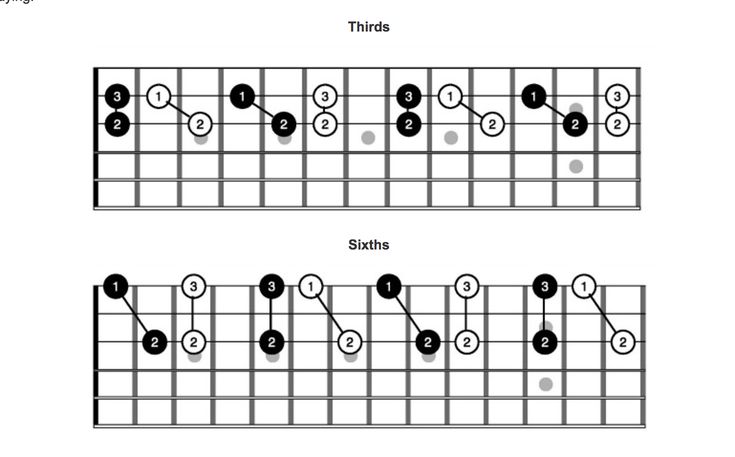
Funk favors small, colorful chord shapes:
-
Dominant 9th chords (“James Brown chord”)
-
Minor 7th and 7th shell voicings
-
Octaves for thickened lines (Bootsy Collins style)
-
Triads over bass notes for inversions
Common progressions:
-
One-chord vamps (E7#9, E9)
-
I-IV patterns (E7–A7)
-
12-bar funk blues with syncopation
Add tension with extensions like #9, b13, or 11ths.
Mastering Funk Guitar
Right-Hand Groove and Dynamics
The picking hand drives funk feel:
-
Bubble picking – Fast, bouncy alternate picking
-
Motown chanks – Tight strums on off-beats
-
Staccato accents – Harder on downbeats, softer on off-beats
-
Bounce technique – Slight swing on certain 16ths for humanized groove
Dynamics matter: quiet ghosts vs. snappy stabs create the characteristic funk feel.
Tone and Gear for Funk Guitar
Funk tone is bright, percussive, and clean:
-
Guitars: Fender Stratocaster (“Hitmaker” by Nile Rodgers), Telecaster, P-90 hollow-body (Jimmy Nolen).
-
Amps: Fender Twin Reverb, Deluxe Reverb; clean channel with scooped mids.
-
Effects: Compressor, envelope filter/auto-wah, subtle wah pedal.
-
Strings & Pick: Light-gauge strings, thin picks (.50–.73 mm).
Avoid heavy distortion—clarity is essential for funk grooves.
Practice Regimen for Funk Guitar Mastery
-
Daily rhythm: 20 mins of muted 16ths + ghost note variations
-
Chord stabs: E9/A9 vamps with syncopation
-
Transcribe: Jimmy Nolen (Sex Machine), Nile Rodgers (Le Freak), Cory Wong lines
-
Play with drums/bass: Lock to kick and snare
-
Record & review: Check your pocket
-
Improvise:
Locking the Funk Groove
Mastering funk guitar requires surrendering ego to the groove. It’s less about notes and more about space, tension/release, and unbreakable pocket. From Jimmy Nolen’s raw chicken scratch to Nile Rodgers’ polished chanks, great players make the guitar part of the rhythm section while staying instantly recognizable.
Commit to the 16th-note grid, perfect your muting, prioritize feel over flash, and practice relentlessly. Once the groove locks, your guitar will naturally command irresistible funk.